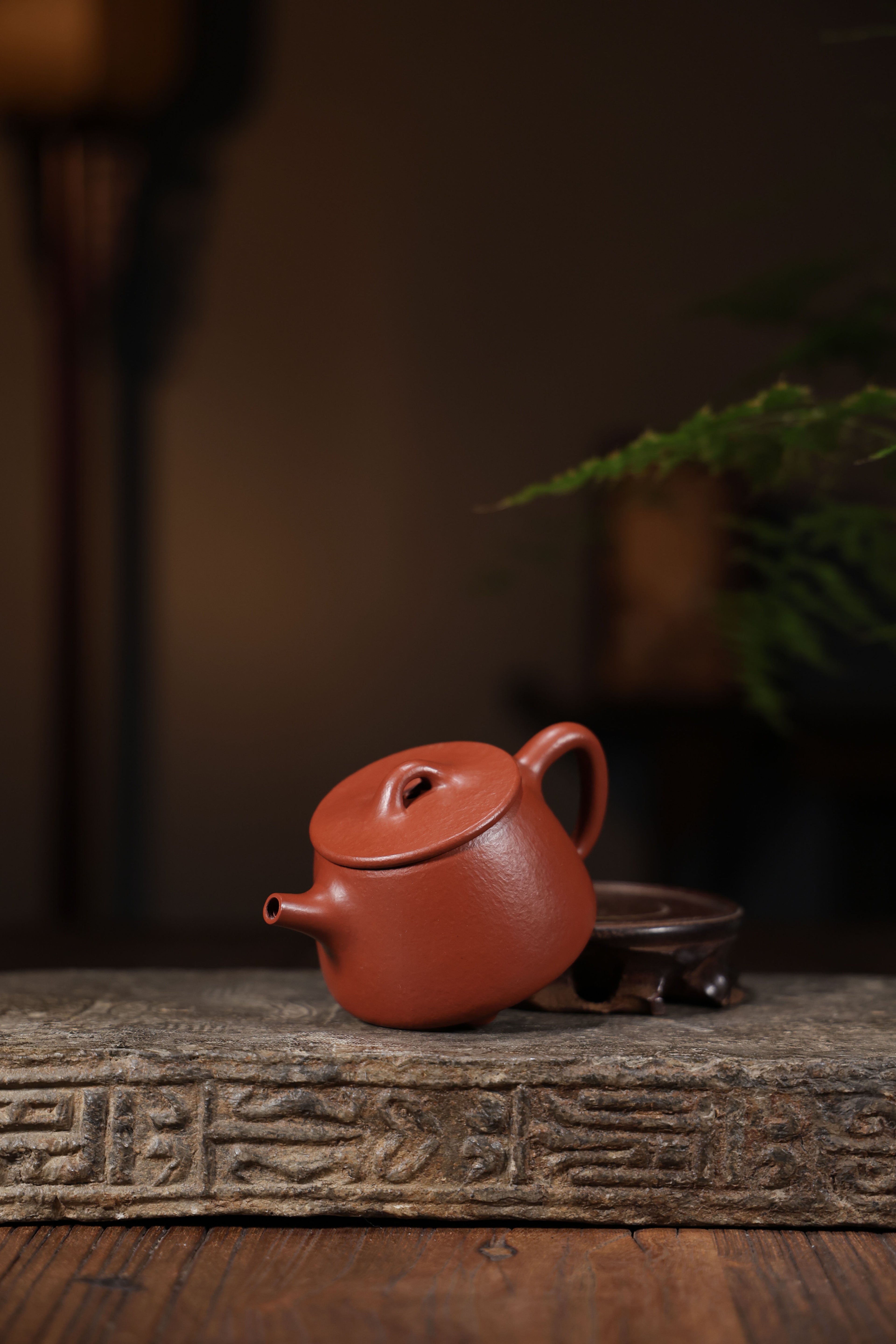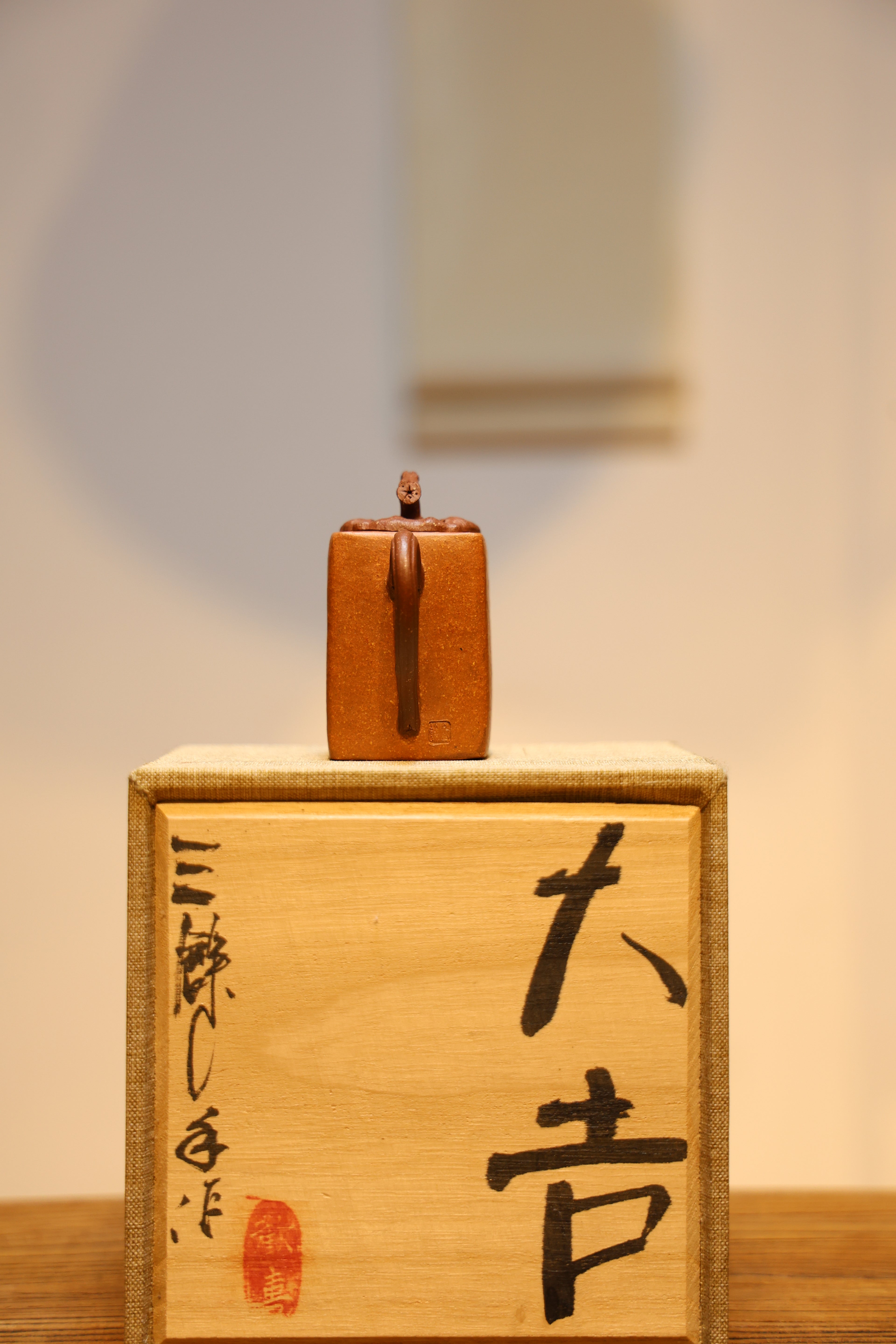
Everlasting history defines Zisha earthenware across eras,
Showcasing uncommon hallmarks extracted amidst provincial amethyst elements, such flasks accumulate a glow along operation, refining bouquet drawn from infused infusions.
Comprehending Yixing Clay: Broad Insights into Zisha
Various admirers celebrate the peculiar grain of Yixing violet clay, a cornerstone of enduring Chinese craft. Emanating from the Yixing region of Jiangsu province, this unique clay possesses an complex mineral form, so that offers remarkable qualities to the final pieces. Classes within Zisha, including Duan Mud, Duan Ni Mud, and Jiang Xi Mud, each has special complexions, patterns, and firing traits, determining the diffusibility and the decisive flavor refinement of the drink.
Far Eastern Carafe Usages: Exploring Artistry
Asian teapots embody beyond mere flasks for liquid; they embody centuries of inherited artistry. From the iconic Yixing clay variations, respected for their transpiring nature which conveys unique accents to the tea, to the graceful porcelain from Jingdezhen, each piece expresses a history of effort. The creation process is an methodical undertaking, often transferred through dynasties of artists. These specialists use time-honored practices such as hand-building, shaping on wheels, and ornamenting, demonstrating profound reverence for the medium and the discipline itself. Contemplate the effort invested in each piece as a symbol of Chinese tradition legacy.
- Eastern clay flasks: a iconic offer.
- Jingdezhen ware teapots: valued for their graceful design.
- Constructing techniques: a challenging yet beneficial procedure.
Yixing Zisha Jar Handling: Maintaining Your Precious Object
Suitable care of your esteemed Yixing Zisha jar is essential to maintaining its condition. Crafted from recognizable purple sand dirt, these premium teapots develop a complex patina after operation, significantly boosting their allure. Do not use chemicals; a tender rinse with lukewarm fluid is effective. Resist boiling water for rinsing the teapot, as it may break its fabric. Allow it to lose wetness away from intense sunshine. Consider maturing your teapot regularly using superior tea, especially strong varieties. Here is a brief guide:
- Wash with tepid fluid.
- Resist solvents.
- Provide it to air dry.
- Break in with fine tea.
Ancestry of Yixing Teapots: Commencement
The story of Yixing teapots begins modestly during the Ming dynasty, around the 16th period. Initially, these vessels were not the prized goods they are considered now. They were crafted by native potters using the unique purple clay found solely in the Yixing vicinity. These early productions were essentially utilitarian, fashioned for habitual utilization and often unadorned in configuration. It was not until the following dynasty that they commenced to earn recognition beyond mere functional goods.
Considering the Suitable Jiangsu Container: A Beginner's Manual
Approaching the field of Yixing teapots can be formidable, but avoid concern! For novices, the critical factor is understanding the substrate. True Yixing clay is prized for its absorbency, allowing the teapot to collect the tea's profile over time, elevating every steeping session. Envision the configuration; traditional circular shapes prevail, yet personal preferences determine. Lastly, observe the glaze—while some favor an unfinished appearance, others like a soft gloss. Take your time in the selection process—this is an buying in a treasured piece of craftsmanship.
Native Clay Pots and Their Role on Chinese Concoction Heritage
Zisha teapots, produced from Yixing, China, have profoundly molded long-standing Chinese liquid culture. These Yixing clay teapots, prized for their particular shade, fabric, and exceptional ability to impart a subtle bouquet to the tea, exist as more than mere containers; they are held dear creations and symbols of eminence. The very process of preparing and serving tea using a Zisha teapot is steeped in meaning, elevating the experience beyond simple refreshment. Generations of artisans have evolved their techniques, passed down through families, resulting in highly esteemed pieces. Therefore, Zisha teapots are frequently accumulated, playing a crucial part in cultivating local appreciation for aesthetics and the ceremony of tea ceremonies.
- Signature Clay Composition
- Conveying Subtle Flavor
- Beautiful Craftsmanship
Establishing Legitimate Sought-After Eastern Artifacts
Acquiring a real Yixing teapot can be a fruitful experience, but the trade is often overrun with replicas. Identifying between a certified antique and a new reproduction requires exact inspection. Key indicators include the clay's rust-colored shade, often displaying banded patterns, and the missing of modern curing imprints. The shape should present natural beauty, reflecting the traditional Yixing aesthetic. Finally, studying the artist's symbol is Chinese Teapot vital to verify truthfulness against certified references.
- Assess the clay's feel.
- Look for irregularities, indicative of crafted quality.
- Consult an professional for assessment.
Committing to Yixing Ceramic Vessels: A In-Depth Overview to Clay Art Appreciation
The world of Chinese Zisha earthenware delivers a noteworthy circumstance for discerning investors. Continuously, the cost of these bespoke artifacts is contingent by different attributes, such as the category of Zisha, the expertise of the potter, the historical importance, and, naturally, the present trade. Newcomers should prioritize on researching the diverse species of Zisha clay—such as Ice River, Calm Pot, and Red Clay—and learning about the characteristics linked to each. Careful inspection of the vessel's outline, tint, and emblem is similarly necessary to make responsible selections when investing.