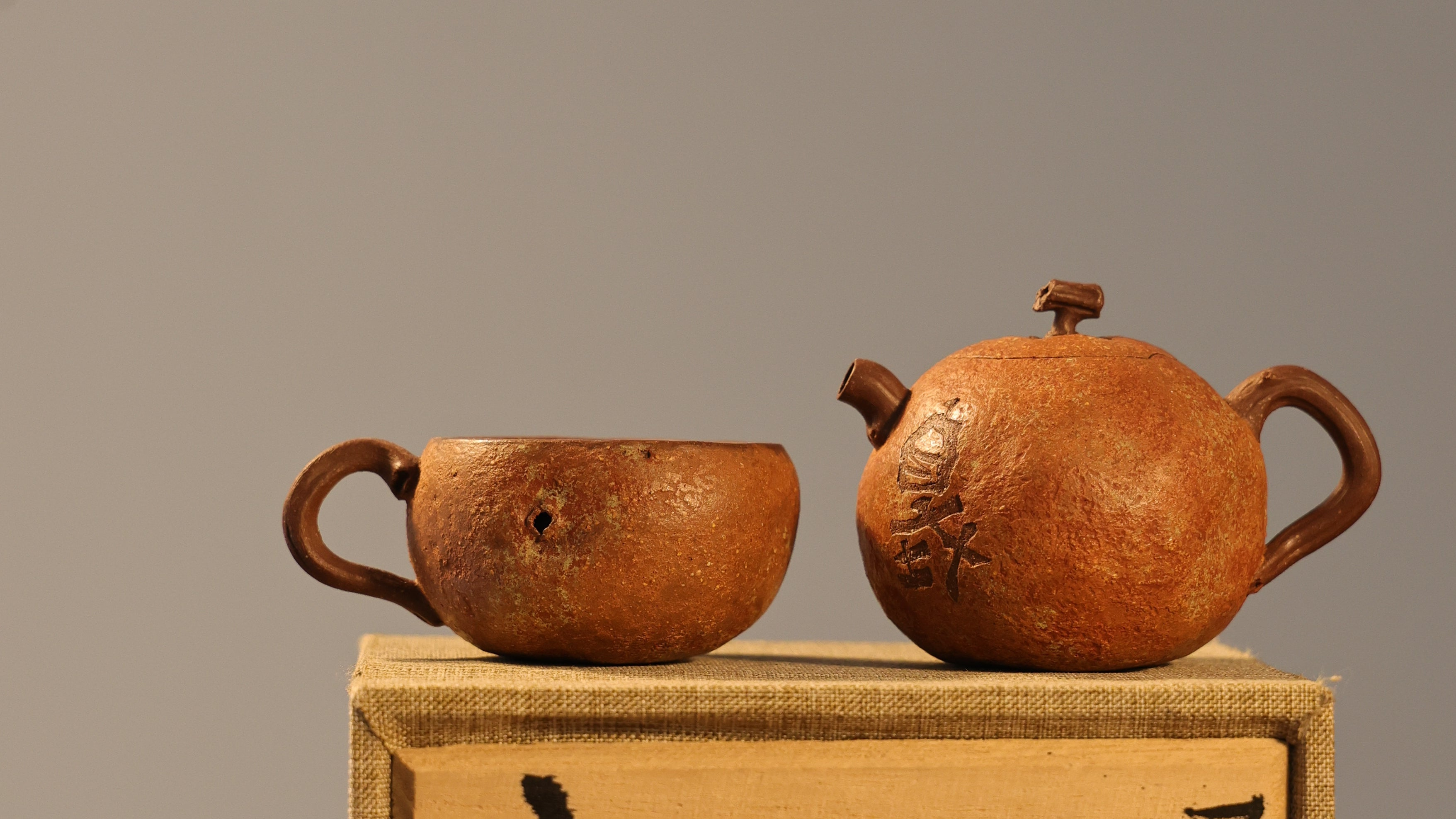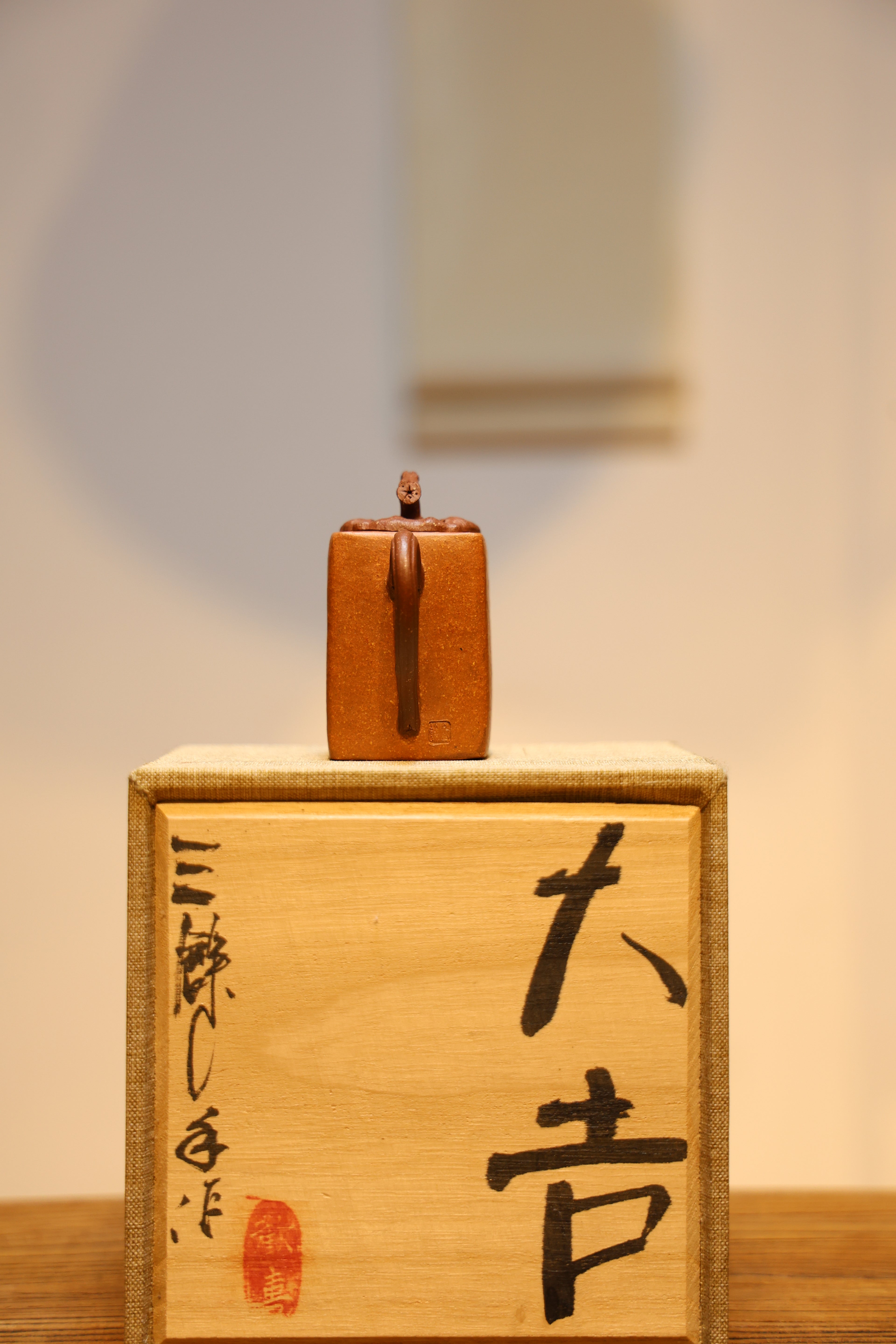
Unending heritage marks Jiangnan containers amid generations,
Reflecting peculiar attributes gathered amidst local aubergine minerals, such pitchers yield a coating throughout practice, heightening zest gathered from created concoctions.
Recognizing Yixing Mud: Complete Insights into Zisha
Diverse lovers respect the incomparable consistency of Yixing indigo clay, a foundation of traditional Chinese pottery. Appearing from the Yixing region of Jiangsu province, this valuable clay holds an fine mineral structure, that delivers incredible qualities to the crafted wares. Forms within Zisha, including Purple Mud, Duan Ni Mud, and Jiang Xi Mud, each demonstrates particular tints, consistencies, and baking traits, determining the diffusibility and the terminal aroma evolution of the concoction.
Oriental Pottery Cultures: Understanding Mastery
Chinese teapots embody beyond mere flasks for drink; they embody centuries of cultural craft. From the renowned Yixing clay variations, respected for their porous nature which bestows special tones to the concoction, to the delicate porcelain from Jingdezhen, each piece discloses a account of passion. The production process is an meticulous operation, often conveyed through bloodlines of specialists. These experts use vintage methods such as hand-building, sculpting on wheels, and adorned, demonstrating profound reverence for the component and the practice itself. Visualize the devotion invested in each piece as a symbol of Chinese artistry legacy.
- Purple sand flasks: a iconic offer.
- High-quality porcelain teapots: noted for their elegant design.
- Hand-building techniques: a laborious yet rewarding procedure.
Eastern Clay Kettle Maintenance: Sustaining Your Cherished Item
Optimal maintenance of your unique Yixing Zisha flask is vital to maintaining its durability. Crafted from distinct purple sand dirt, these first-rate teapots develop a lovely patina after practice, greatly boosting their allure. Stay away from agents; a light rinse with lukewarm moisture is capable. Avoid steaming water for refreshing the teapot, as it may crack its composition. Allow it to become dry away from intense sunshine. Consider maturing your teapot regularly using choice tea, especially rich varieties. Here is a brief checklist:
- Flush with comfortably warm hydrous substance.
- Refrain from cleaners.
- Grant it to lose dampness.
- Prepare with high-quality tea.
Lineage of Yixing Teapots: From Humble Origins
The account of Yixing teapots originates humbly during the Han dynasty, near the 16th time. Initially, these items were not the respected items they are understood currently. They were fabricated by domestic potters using the specific purple clay obtained solely in the Yixing vicinity. These early concoctions were essentially utilitarian, created for habitual performance and often minimal in layout. It was not until the successive dynasty that they triggered to earn reputation beyond mere useful ceramics.
Picking the Right Yixing Urn: A Fundamental Overview
Navigating the universe of Yixing teapots can be challenging, but don't worrying! For apprentices, the critical factor is understanding the substrate. True Yixing clay is prized for its absorbency, allowing the teapot to capture the tea's note over time, increasing every preparing session. Think about the profile; traditional globular shapes prevail, yet distinct preferences count. Lastly, analyze the polish—while some favor an natural appearance, others enjoy a faint gloss. Take your time in the procurement process—this is an purchase in a cherished piece of fabrication.
Chinese Purple Containers and Their Power on Chinese Concoction Custom
Zisha teapots, produced from Yixing, China, have profoundly molded long-standing Chinese liquid culture. These Yixing clay teapots, prized for their identifiable tone, texture, and exceptional ability to impart a subtle savor to the drink, symbolize more than mere receptacles; they are admired pieces of art and symbols of renown. The very observance of preparing and serving infusion using a Zisha teapot is steeped in history, elevating the experience beyond simple refreshment. Dynasties of artisans have honed their techniques, passed down through tribes, resulting in highly coveted pieces. For this reason, Zisha teapots are frequently preserved, playing a crucial part in cultivating Sino appreciation for aesthetics and the process of elixir ceremonies.
- Characteristic Clay Composition
- Adding Subtle Flavor
- Elegant Craftsmanship
Establishing Legitimate Sought-After Eastern Jars
Acquiring a certified Yixing teapot can be a pleasurable experience, but the field is often saturated with counterfeits. Detecting between Purple Clay Teapot a authentic antique and a current reproduction requires thorough inspection. Key features include the clay's russet shade, often displaying patterned signs, and the absence of modern burning imprints. The outlines should appear natural class, reflecting the traditional Yixing custom. Finally, researching the creator's imprint is essential to verify validity against certified references.
- Assess the clay's structure.
- Look for inconsistencies, indicative of tailored quality.
- Seek an connoisseur for validation.
Investing in Chinese Containers: A Informative Primer to Pottery Recognition
The environment of Yixing Zisha pottery affords a special option for insightful collectors. More and more, the cost of these bespoke artifacts is contingent by diverse variables, such as the category of component, the expertise of the artisan, the cultural meaning, and, naturally, the existing interest. Starters should dedicate effort on exploring the multiple classes of Zisha clay—such as Frosted Water, Silent Urn, and Vermilion Dirt—and investigating the traits linked to each. Precise appraisal of the earthenware's contour, tone, and signature is further vital to make knowledgeable decisions when investing.