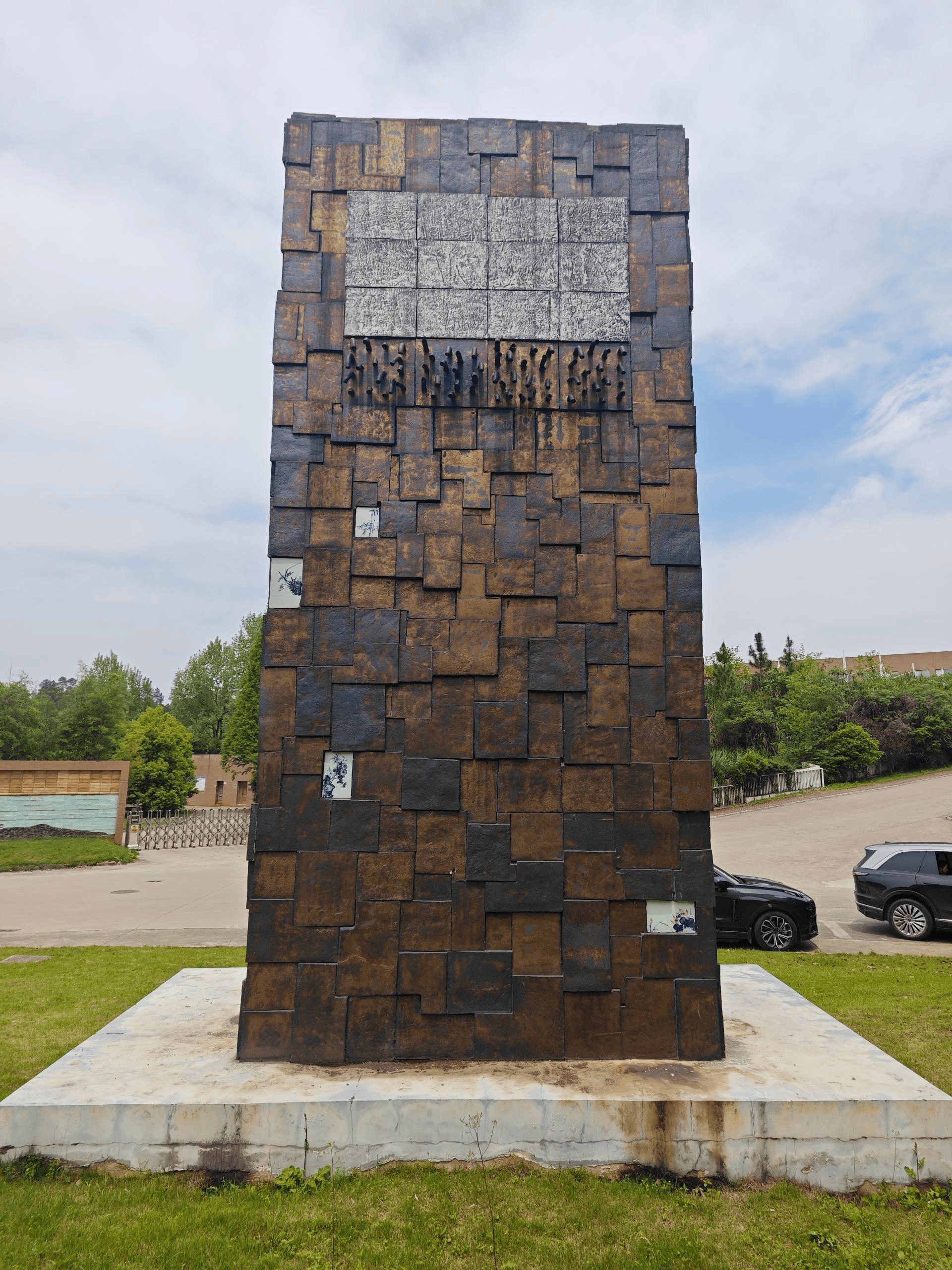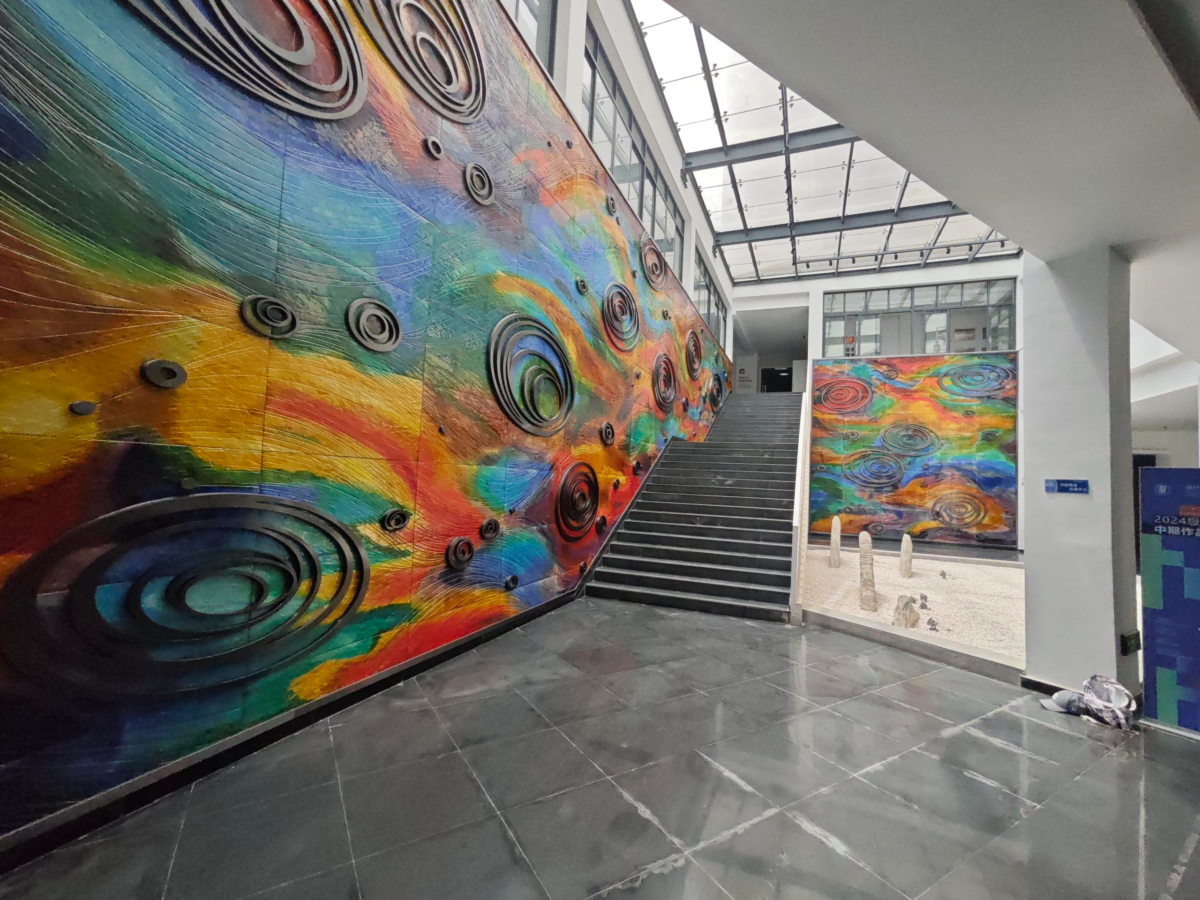
Stoneware statue reflects a exceptional field type with a vast legacy, spanning back innumerable of years. From ancient holders to state-of-the-art displays, the element offers unsurpassed possibilities for creative articulation. Sculptors utilize different techniques – including assembling, wheel operating, and sophisticated firing processes – to convert humble terracotta into beautiful three-dimensional creations. The endurance of fired terracotta also contributes to its status as a truly consequential part of human heritage.
Delving into Stoneware Board Designs and Methods
The domain of ceramic tablet design offers a ample array of original possibilities. Artists often utilize a combination of heritage-based and recent techniques to generate visually beautiful pieces. These can span from simple, crafted reliefs to complex, multi-layered configurations. Common methods include the slip cast process, manual molding, glaze application – which can involve various approaches like base glaze illustration, overglaze decoration, and scratched design where designs are uncovered by removing a layer of glaze. Further exploration into outer appearances such as the raku firing method and lustre decoration can produce truly unique and personalized brick shields.
- Template Making - Making pieces using a template
- Manual Fabrication - Physically forming the earth
- Glaze Application - Finishing the layer with a shiny finish
- Scratched decoration - Revealing designs by excavating shells
Absorbing Experiences: Clay Art Assemblies
The transforming landscape of craftsmanship presents exciting fresh avenues for guests, and ceramic art installations are at the pinnacle of this wave. These aren't just static sculptures; they are assembled to envelop the onlooker in a sensory experience. Imagine travelling across a forest of towering, polished ceramic trees, or navigating a maze of sensitive ceramic vessels. Many designers are now incorporating sound, brightness, and even aroma to enhance the atmosphere of their work. Imagine the power of a room filled with hundreds of individually ceramic forms, each telling a tale. Typically, such installations study themes of nature, history, and humankind.
- The mentioned installations blur the distinctions between figure and environment.
- Viewing a ceramic art installation can be a deeply meaningful journey.
- Producers are expanding the extents of what is conceivable with clay.
Each Charm of the Brick Urn: Significance and Design
The porcelain pot represents a notable conjunction of usefulness and imaginative appeal. Historically, these containers served a fundamental role in supporting objects, but their development has transformed them into highly valued works of creation. Each element showcases the talent of the maker, demonstrating how profile can be as crucial as utility. The conscientious shaping, the distinctive glazes, and the full presence of a masterfully-crafted pot can improve a space, offering both splendor and a soft reminder of the human hand.
Up-to-date Ceramic Form : Reaching Perimeters
Modern earthenware creation represents a fascinating transformation from traditional practices. Creators are energetically testing with modern techniques, questioning the boundaries between artwork and distinct aesthetic spheres. From large installations to detailed miniature pieces, these kinds of works examine themes of persona while parallelly remodeling the basic of what porcelain can demonstrate. The upshot is a forceful landscape of creative design.
Clay Tablet: Safeguarding Heritage in Ceramic
Pottery plaques offer a distinctive method for recording significant events and people. Differing from traditional metal or stone markers, these long-lasting pieces of art are formed from fired clay, creating a substantial link to the olden times. Traditionally, they ceramic cup exhibit intricate bas-reliefs or delicately designed imagery, expressing stories that might otherwise be ignored. These technique, traceable to ancient cultures, provides a beautiful and unfading way to acknowledge our collective tradition.
- Those can be installed in public spaces.
- Scores of are now acknowledged historical objects.
Clay Art Installations: Shifting Settings
Earthenware art installations are growing a meaningful medium for makers to reinvent public and private locations. These immersive projects frequently involve extensive clay forms that draw viewers, changing their experience of the developed environment. By integrating diverse processes like hand-building and complicated firing approaches, ceramic artists create truly singular experiences, challenging the thresholds between craft and architecture. The impact is often a moving evolution that uplifts the expressive quality of the site and fosters interaction.
Beginning Spindle to Marvel: The Practice of the Clay Receptacle
The journey of a clay holder from a simple lump of earth to a perfected work of craft is a testament to human brilliance. Historically, the process originates with the potter’s wheel, where the proficient artisan shapes the whirling loam into a cylindrical structure. This beginning stage demands sharpness and a disciplined eye, followed by a delicate firming period. Once rough-fired, the vessel is ready for ornamentation, which may comprise painting intricate arrangements, incising detailed pictures, or adding a diversity of glazes. The last treating process then turns the work into a durable and lovely receptacle, a tangible reflection of the maker's creativity.
Forming with Clay: A Overview to Stoneware Project
Delving the realm of earthenware design begins with mastering the basics of shaping with pottery. That means includes carefully building and reducing matter to fashion three-dimensional creations. If you're a starter or a master artist, experimenting with various kinds of ceramic material – for example terracotta – will support you discover your special manner. Eventually, ceramic pottery is a satisfying exploration that blends artistic ability with artistic representation.